

Creative Currency #3: Devon Rule, Co-Founder of Indyx
The only person in the fashion industry who wants you to wear what you already have.

This is Creative Currency - where I talk to women building businesses that wouldn't exist without their creative vision. Subscribe to get these conversations in your inbox.
I first met Devon at a fashion and tech dinner (thanks Rachel!). I noticed her very thoughtful and put-together style – quite rare in SF – and we got chatting. Then she told me about Indyx, the company she founded, and it all made sense.
Most fashion businesses are built on a simple premise: get you to buy more clothes. Devon Rule built hers on the opposite bet. Devon is the co-founder of Indyx, a digital closet app that helps you actually use what you already own. In an industry where every incentive pushes toward the next purchase, Devon saw an opportunity in the gap between shopping and getting dressed – the space where most of us stand staring at a closet full of clothes with nothing to wear. We chatted about the emotional act of getting dressed, why a brand is a worldview and why VCs hate her business.
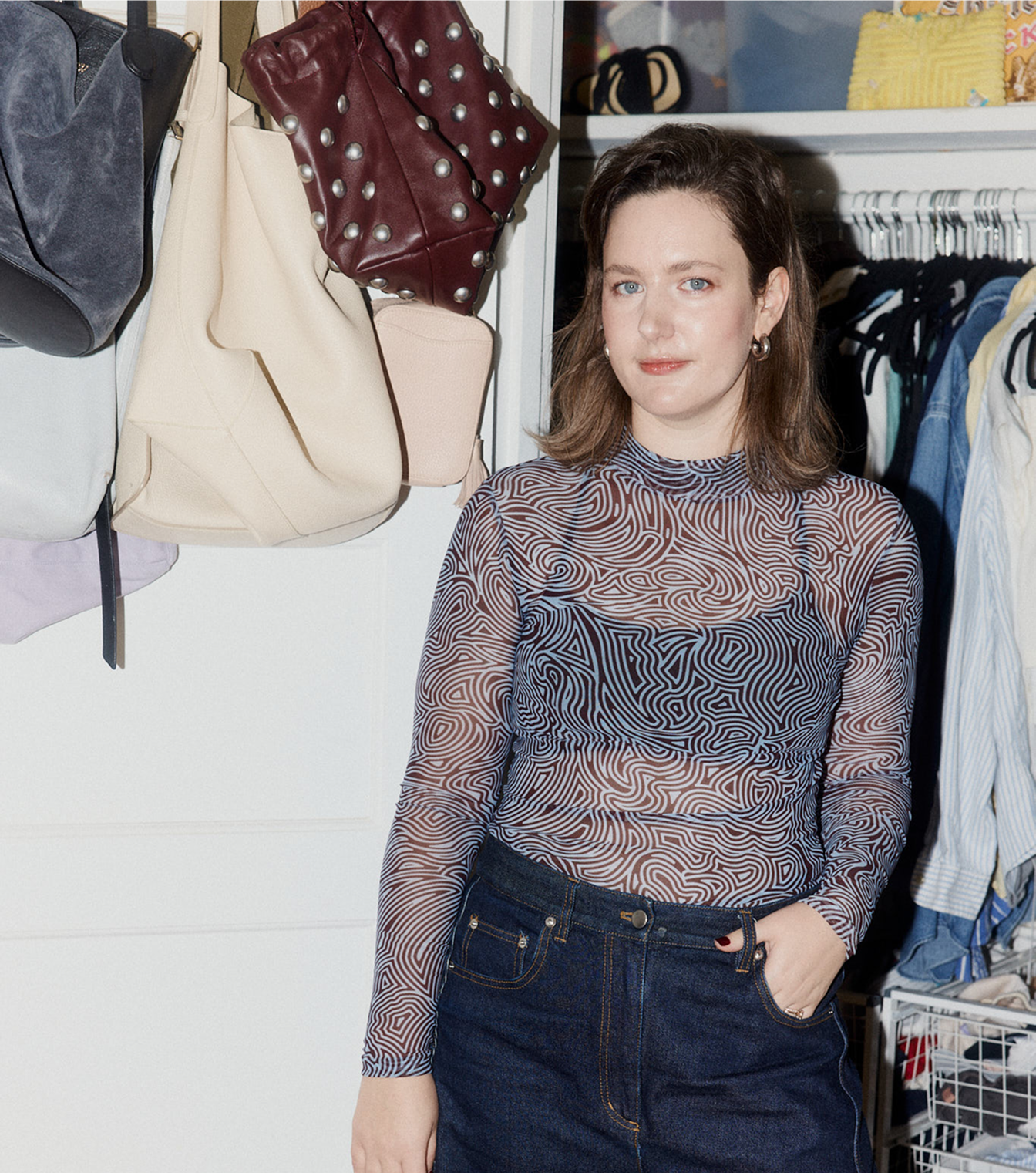
Vision
How ideas begin, and what it takes to make them real.
What sparked the idea for your business?
I’ve always loved fashion, but the part that never made sense to me was how much energy goes into buying clothes versus actually using them. We shop for items but live life in outfits, and there’s nothing out there helping us bridge that gap. It’s also at the root of fashion’s sustainability problem: we cannot shop our way out of the climate crisis. From inside the industry, I could see exactly how we got here. Every financial incentive is built around driving the next purchase. Brands, influencers, media – everyone needs you to buy. But that’s only one tiny piece of how we actually get dressed. At the same time, I could see a digital ecosystem taking shape: brands selling online, creators sharing closets online, resale platforms needing item photos. All of these rely on the same thing: a digital record of our clothes. Yet we’re re-creating that record from scratch every single time. Where was the glue holding it all together? Our closets were essentially black boxes, even to ourselves. No insight, no context, no continuity. That realization was the spark for Indyx.
We shop for items but live life in outfits
When did you first realize this idea needed to exist?
What drove it home was discovering the universality of this feeling: nearly everyone believes they have “a closet full of clothes but nothing to wear.” It doesn’t matter your age, budget, size, or style. Everyone is saying the same thing. That’s when I realized this wasn’t a personal shortcoming; it’s a systemic problem.
How did you know you were the right person to build it?
I’m not the only person to ever think of a digital wardrobe, but I am the right person to build one that fits into Fashion instead of fighting against it. I’ve worked across the industry, from Gap Inc. to early-stage startups, so I understand the incentives and realities that drive it. Many solutions come from a purely tech-forward angle, asserting that AI alone can “fix” getting dressed. I don’t believe that, and Fashion doesn’t either. Getting dressed is emotional, contextual, and deeply human. If the industry won’t support your product, growth becomes incredibly expensive. My background helped me see how Indyx could actually integrate into the real world of brands, creators, stylists, and resale. That’s what made me the right person to build it.
Getting dressed is emotional, contextual, and deeply human.
Intuition
Taste as strategy.
What role does gut feeling play in your decision-making?
Quite a lot. So much of Indyx has been built on gut product intuition. We’re building the product we desperately want to use ourselves. It’s incredibly hard to shepherd an idea through the messy startup phase if you’re not building something you personally need.
How do you know when something is right for your brand?
Sometimes it’s as simple as: does it make my heart pitter-patter? The reality of founder-led brands is that the whole thing is made for you, by you. You have to seize that as a strength, not a flaw. Aesthetics matter because consistency and clarity of aesthetic helps people take you seriously, but they aren’t the whole story. A brand is a worldview—the set of values and truths you believe about the world that you’re trying to move forward through your product. For me, that spine is clear: using what we own, making style truly personal, rejecting overconsumption disguised as inspiration. The test is: does this decision reflect those values? As you grow, you’ll need systems that let other people make brand decisions in your stead. But that’s a scaling challenge, not a day-one requirement. I don’t believe in over-engineering brand guidelines before you have very strong product-market fit. That’s probably wasted energy.
So much of Indyx has been built on intuition. We’re building the product we desperately want to use ourselves.

Creative Thinking
Problem-solving in motion.
When you hit a business obstacle, where do you look for creative solutions?
This might sound crazy and arguably not the most efficient use of time, but my co-founder Yidi and I are great talkers. We can spend hours in a totally unbounded conversation, tossing ideas back and forth and debating the pros and cons in real time. We’re great partners because we’re both not afraid to suggest something completely out of the box, and are never offended if the other person shoots it straight down. I know we might be onto something when Yidi says, “Don’t hate me, but what if…” The funny thing is that even the bad ideas are useful. They give the other person something to react to, and we keep iterating until we land on a solution neither of us would have come up with alone. It’s not the most linear process and we’ve found it nearly impossible to bring other people directly into that brand of chaos, but it’s incredibly generative. Most of our best breakthroughs have come from that kind of messy collaboration.
Reality
Vision meets constraints.
What’s your biggest challenge right now?
Building a sustainable business in a market shaped by unsustainable expectations. Most tech companies have been fueled by “grow at all costs” venture funding. That money lets them make their products look free (at least for a while) and consumers get used to that. We didn’t take that path for two reasons. First, VCs hate our business. They don’t know how to comprehend a fashion business that doesn’t sell clothes. Second, if Indyx was to succeed in truly centering individuals – not brands, not advertisers – then the people using it have to be the ones primarily supporting it. If you want a platform designed to work with your existing wardrobe instead of pushing you to buy more, that alignment is everything. The hard part is that this puts us up against an industry where “free” is the baseline. The one-star reviews accusing us of being greedy because we charge for premium features sting. We’re constantly triangulating: how do we keep building what people want, sustain the business responsibly, and stay true to our philosophy without triggering users to question our intentions?
VCs hate our business. They don’t know how to comprehend a fashion business that doesn’t sell clothes.
What compromise did you make that you’re still thinking about?
We prioritized building depth over breadth. We focused deeply on the core value – your digitized closet – instead of racing to launch every shiny feature at once. I do wonder whether being more “feature-forward” earlier would’ve smoothed some bumps. There’s always that voice asking: should we have just tried to do everything at once? What if one of those half-baked features really took off? Sometimes if you throw spaghetti at the wall, something unexpected sticks. On the other hand, doing it that way might have just wasted our time building a whole lot of not-very-much. It’s one of those things you’ll never know.
Risk
Courage, uncertainty, and big leaps.
How do you handle the fear that comes with entrepreneurship?
A solid dose of delusion? But more seriously, you’ve got to balance that with clear (and ideally realistic) expectations of what “success” really looks like for you. If you think the only acceptable outcome is “IPO or bust,” entrepreneurship is going to feel like one long panic attack. Huge exits are the exception, not the norm – and there’s a massive element of luck involved. Do not go into entrepreneurship expecting a big payday. You’ll almost certainly be disappointed. But is it enough to wake up every day and work on something you really believe in, with full autonomy to build it exactly the way you want? Is it enough to make a decent living doing that? You have to know that about yourself. Because if those things count as success, the fear becomes a lot smaller.
If you think the only acceptable outcome is “IPO or bust,” entrepreneurship is going to feel like one long panic attack.
What would you have done if you weren’t afraid?
I would get out there more. I’m naturally a pretty insular builder – happiest tinkering and making things better. But every time I actually put hard pants on and talk to people in real life, something good usually comes from it. It can feel like a waste of time in the moment, but those conversations (the ones you almost skip) have a funny way of opening doors you didn’t know existed. I wish I’d learned earlier that putting yourself out there is part of the job, not a distraction from it.
Money
The art of spending, saving, and investing.
What’s one splurge you’ll never regret?
The ~$10k we spent on our original brand work. Colors, fonts, logos, the overall creative direction – I’ve used that work every single day for over three years now. It gave us so much clarity right when we desperately needed it, and has saved us so much time. In a perfect world it’s about time we invest in this area again, but that first $10k has carried us incredibly far.
Where do you refuse to cut corners?
The truth is, we’re forced to cut corners in a lot of places. That’s startup reality. There are parts of the app and how we market it that make me absolutely cringe because they’re not where I want them to be. But they get the job done for now. The one place I refuse to cut corners is integrity with our paying users. Even when it’s inconvenient, I will always do my best to do right by them. If a refund is even remotely justified, they get it. If something feels even a little unfair, we fix it. There are way too many apps out there doing things the sketchy way, which leaves people understandably on guard. I want us to rebuild trust where the industry has eroded it.
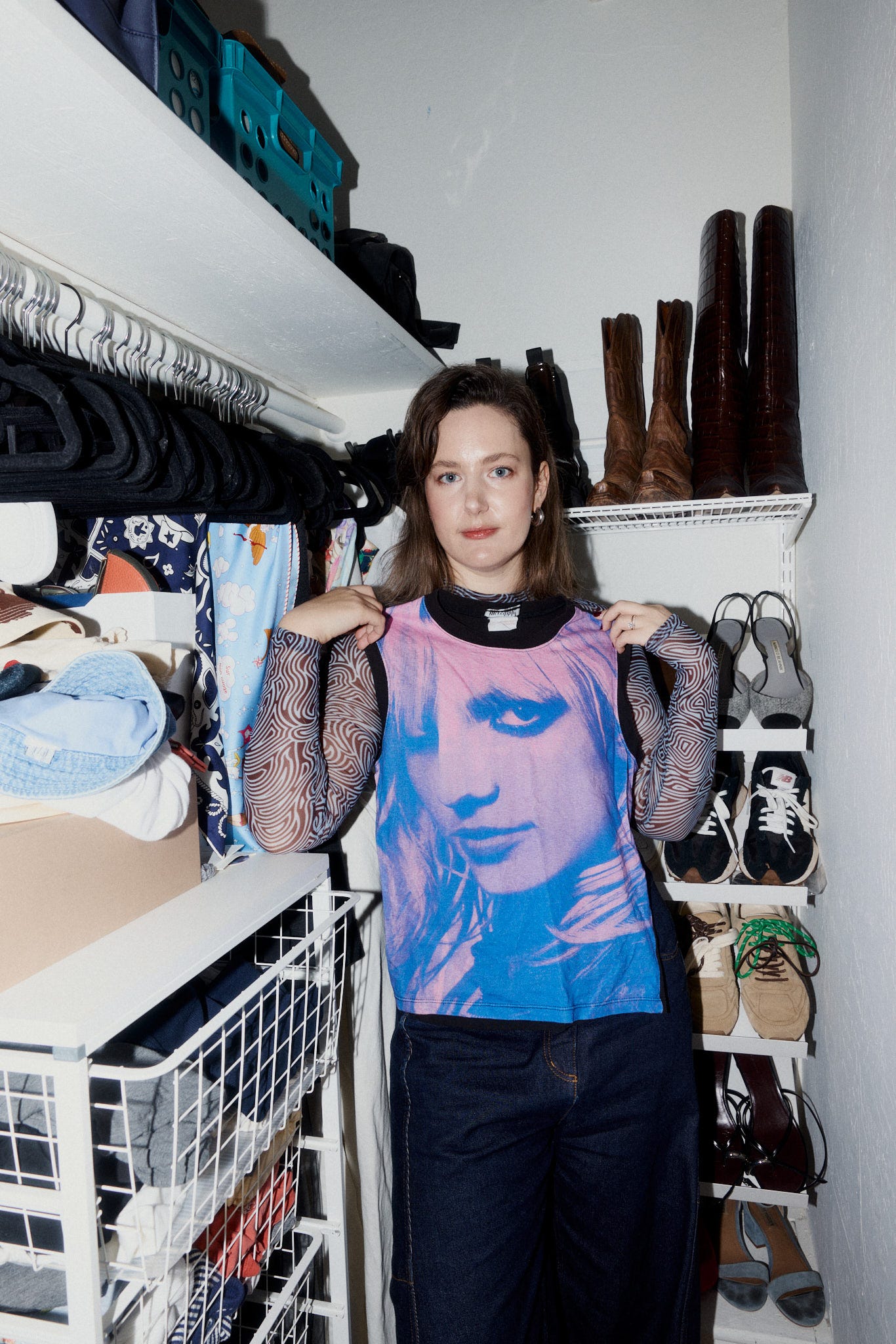
Community
The people and stories that give your brand heart.
Who are you building this for?
First and foremost, I’m building this for myself. I’ve lived that “closet full of clothes but nothing to wear” feeling more times than I can count. And I know I’m not alone. So I’m building it for anyone who wants clarity and a sense of control over a part of their life that should feel fun, not overwhelming.
What role does community play in your creative process?
Community plays a huge role. In the early days, we had a straightforward to-do list based entirely on the things we wanted. And that intuition helped us build something a lot of people cared about. But we’ve hit this point where our users are shaping the product just as much as we are. Our Insider community especially is wildly engaged and creative. They’ll spot problems before we do, suggest features we haven’t thought of, and give us honest feedback we genuinely use. We run a freemium model – the app is free to use with optional paid features – but we will always prioritize building the things our paying users need and ask for. Our Insider Slack is where so many of those ideas spark, and it’s become one of the most valuable parts of our process.
Our Insider community especially is wildly engaged and creative. They’ll spot problems before we do, suggest features we haven’t thought of, and give us honest feedback we genuinely use.
Rituals
Resetting to do your best work.
How do you recharge after intense work periods?
I recharge by actually taking time off. Like, really tuning out. It doesn’t have to be some long dramatic vacation. Even normal weekends can work if you actually protect them. But it only works if you stop checking email. Half-working is a waste of time and energy. It also helps to have a co-founder or partner you can trade off with so you both get real breaks. And the truth is, in a business like ours, nobody is dying. Nothing will implode if someone waits a few days for a reply. Giving your brain permission to fully turn off is unbelievably important.
Tools
The practical things that make the work possible.
How do you capture ideas when they strike?
Well, the best thing you can do is act on an idea immediately. What’s the point of being in a startup if you can’t decide for yourself to just move fast? A recent example: we had a question about how users might feel about a potential feature, so I wrote a three-question Typeform, built a targeted email segment, drafted a quick email, and sent it – all in the same day. We got signal fast, made a decision, and moved on. The next best thing is just to write them down. I’m not very precious about my system. I use the Notes app when I’m out on my phone and a dump-it-all-in Notion page on my laptop. Every few months, I try to go through the list: clear out the ideas that weren’t that great, and pull the good ones into whatever I’m planning next. It’s messy but it works.
Measuring
How you know if it’s working.
How do you measure success in your business?
We’re not the only ones who’ve ever had the idea of a digital wardrobe. But my POV is that many who came before poured all their energy into the technical problem of digitizing closets and massively underinvested in what comes after. The “so what.” Cataloging your wardrobe is the means, not the end. What comes after – the clarity, the confidence, the behavior change – is the whole point. So yes, I care about downloads and cataloging rates. But what I care most about is ongoing engagement. Are people saving outfits, tracking their wear history, building collections? Are they coming back because it’s actually helping them understand their style and use what they already own? But the most important signal is whether people are willing to pay for the value we create. That’s the most honest feedback loop. If Indyx helps someone shop less, feel smarter about their wardrobe, and get dressed with more confidence, they’re more than willing to carve out the subscription fee because it gives them far more than it costs. My favorite thing to hear is when a user says, “This app has actually helped me slow down my shopping, rediscover what I love, and feel better getting dressed every day.” If we keep creating that outcome, revenue will always follow.
How do you balance creative satisfaction with commercial viability?
I love this question. I hope this isn’t a cop-out answer, but for me, a lot of the creative satisfaction of Indyx lies in its commercial viability. A huge part of the spark came from realizing why we all feel so stuck in this negative consumption loop: the entire industry only knows how to sell clothes. That’s how every incentive is currently structured. So the creative challenge became: How do we build a business that supports individuals’ creativity with fashion without defaulting to selling more clothes? It’s a bit of a cheat code that I find enormous creative satisfaction in solving that commercial problem. There’s something incredibly energizing about saying “no” to the obvious and honestly easier revenue streams (ads, affiliates, endless shopping prompts) because they don’t support the world we’re trying to build. It forces us to think harder and get more inventive. How do you make money selling under-consumption? How do you make something so useful that people actually want to pay for it?
For me, a lot of the creative satisfaction … lies in its commercial viability
The Last Word
Quick hits and final thoughts.
What are you reading? Listening to?
I’m a big Pivot podcast listener. It’s genuinely the only way I will consume tech news. Scott and Kara make things digestible, balanced, and (critically) not SO tech-brained. You also have to balance that out with some nonsense media, something that has nothing to do with your real life. For me, that’s the Normal Gossip podcast. It’s exactly what it sounds like: wildly detailed, hilariously dramatic gossip-y stories about complete strangers. Think: a co-living commune’s plan to raise mealworms for their chickens spiraling into a full blown moral, logistical, and spiritual crisis among warring community subcommittees. In terms of reading, my attention span is shot. Real books feel like a luxury at this stage. This is why I’m such a Substack person. It’s the perfect format for where my brain is at right now: bite-sized but usually thoughtful. Easy to tumble down a rabbit hole with.
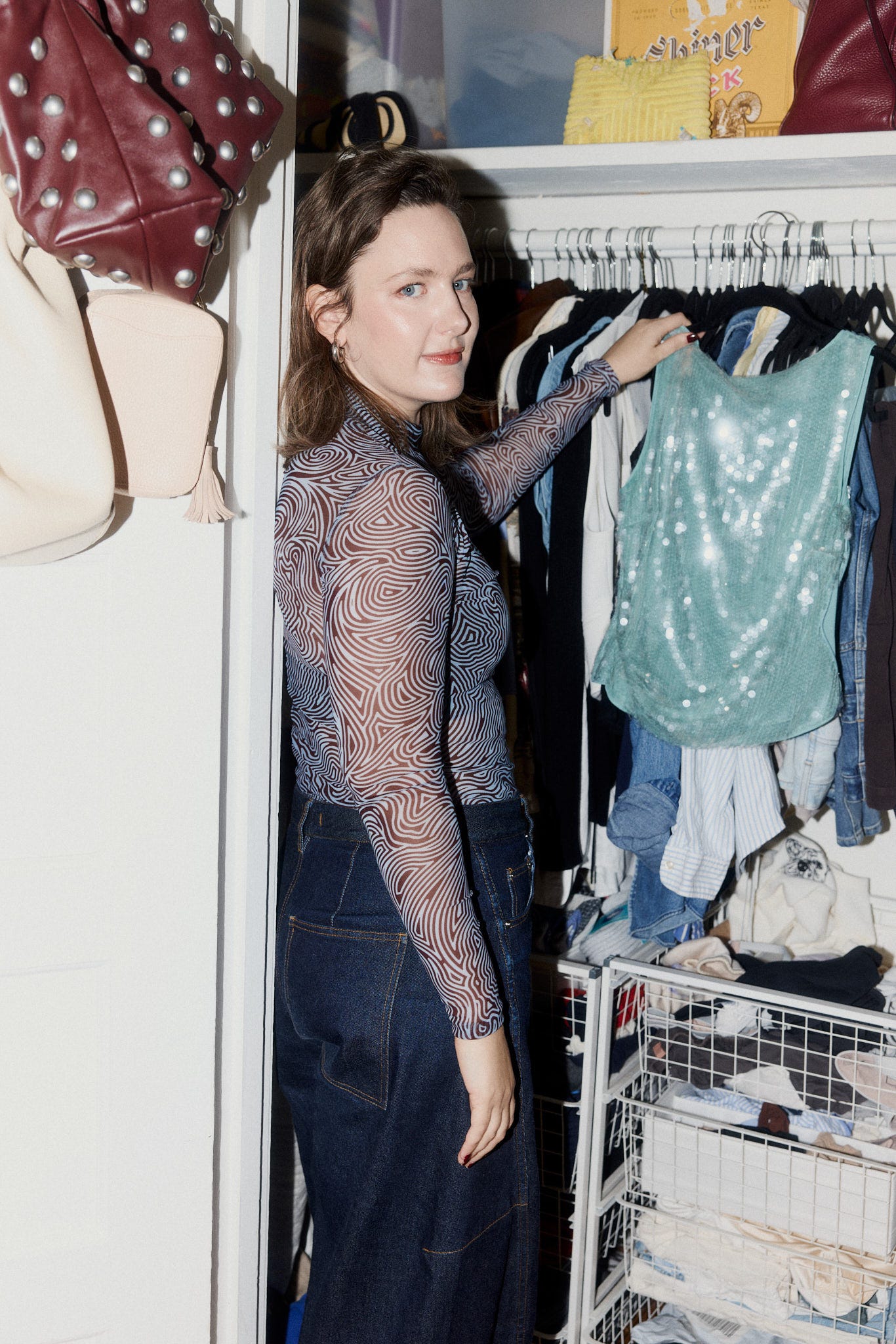
All photography by Ashley Batz
About the author: I run Bianca Wendt Studio, a creative consultancy working with clients in fashion, luxury and tech. Creative Currency grew out of a simple observation: the most interesting businesses aren't built by separating creative thinking from business strategy – they're built by refusing to see them as separate in the first place.
Already a subscriber? Share this with someone building something creative.
Thanks for sharing, Devon! Loved our conversation and learning how you've built Indyx 🙏
Devon, you and the Indyx team have built such an amazing product. Loved learning more about you!